
Reference Context Journal

A Reference Is More Useful When Its Context Is Clear

Explore practical guides about evidence context, study limitations, relevance, uncertainty, and research interpretation.

context_map_v1.0

Literature Validity

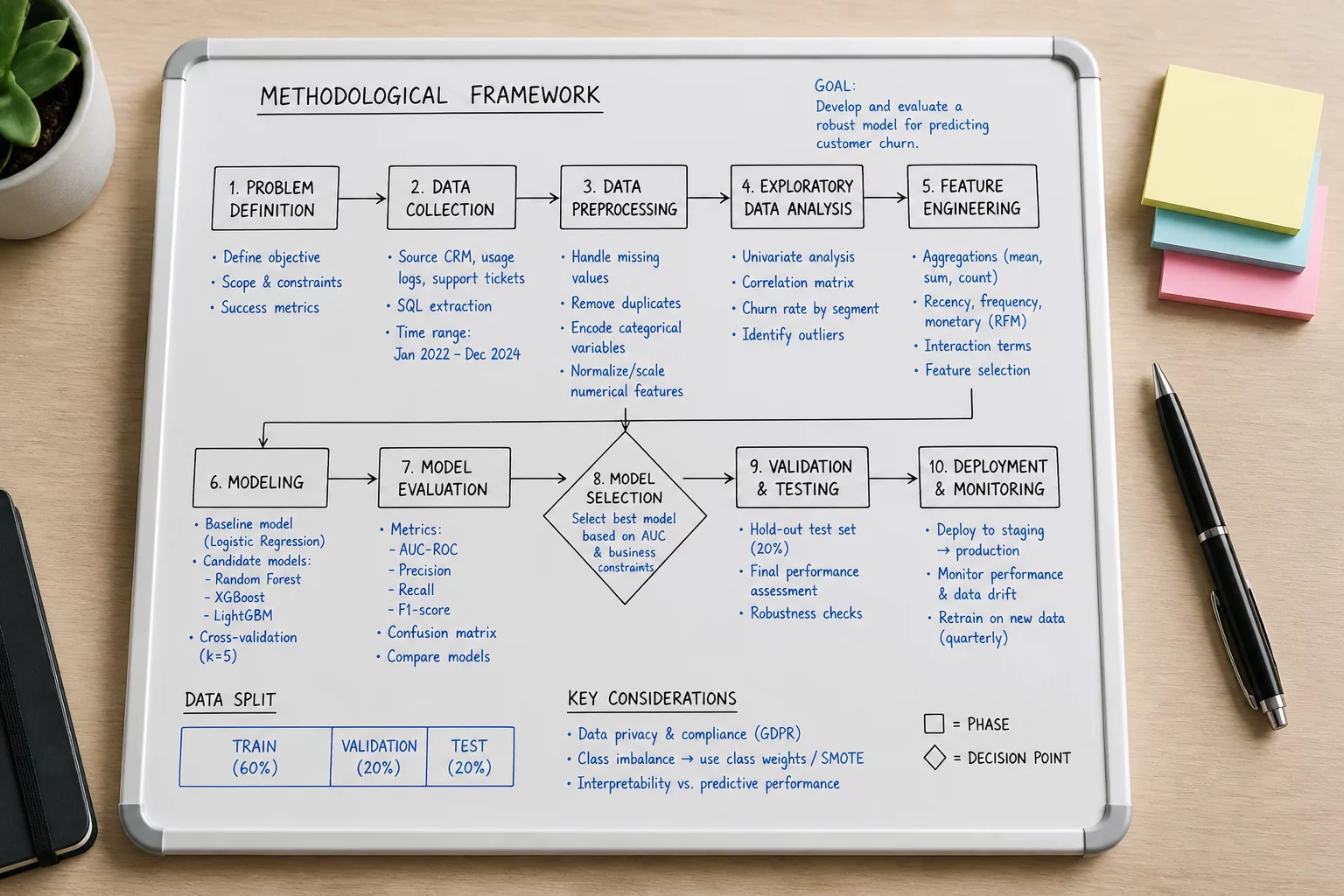
Systematic review of methodological frameworks across 12 distinct domains.

Limitation Scope

Identification of boundaries, sample bias, and spatial constraints.

Our Core Mission

Establishing Context in Scientific Literature & Citations

ReferenceContext Journal addresses the critical gap in modern research: understanding the exact boundaries, limitations, and relevance of the sources we build upon.

Why Context Matters in Academic Citations

We look beyond the citation count to analyze the specific background, methodology, and conditions under which the original source was produced. This prevents citation bias and ensures accurate referencing.

  • Verifying experimental conditions and background assumptions
  • Tracking historical citation evolution across disciplines
  • Detecting misquotes and semantic context drift in literature
Live Scope Analysis Active
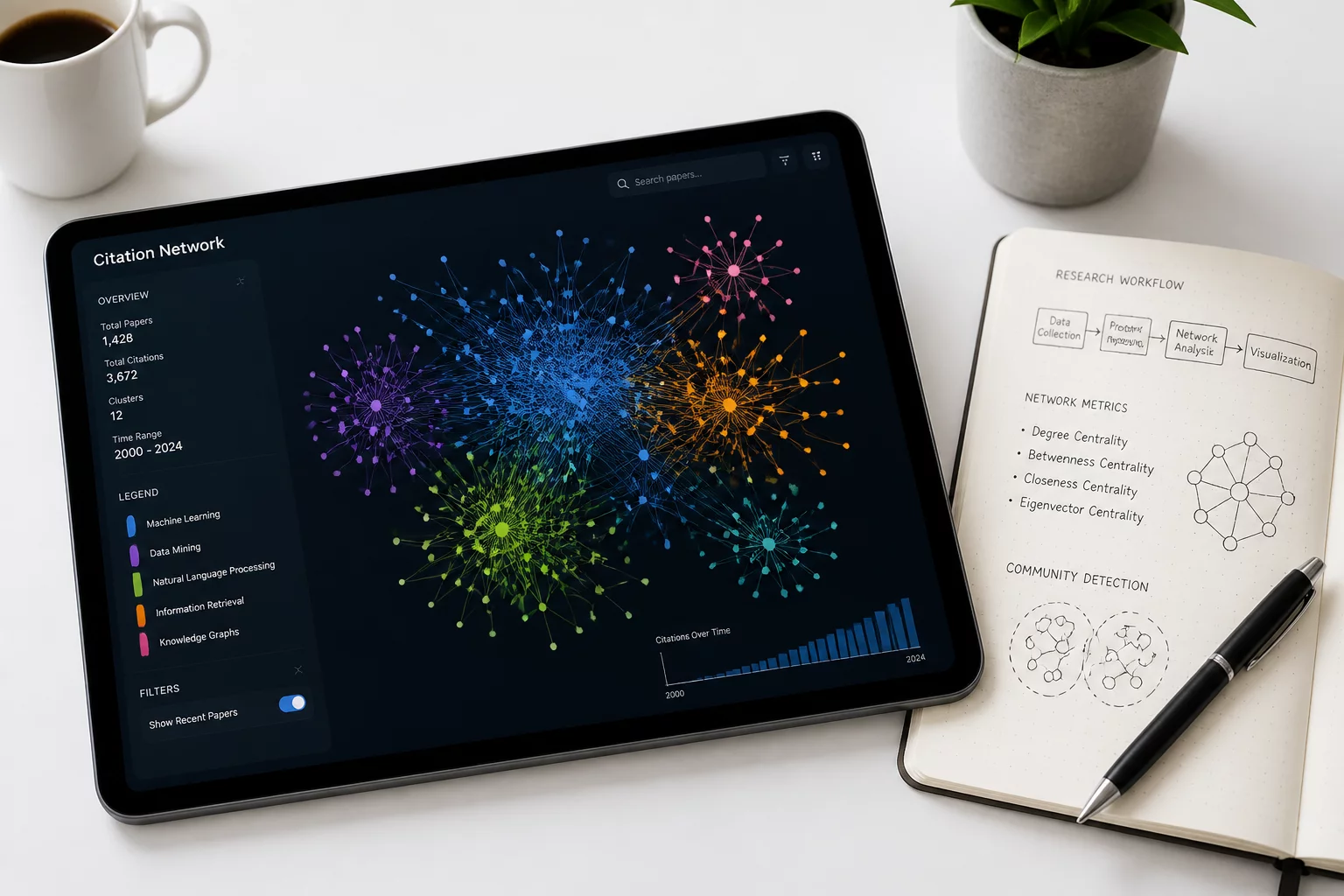
Research Context Mapping

Visualizing citation relationships and validation pathways.

Source Context
Explore →
Study Limitations
Explore →
Relevance Assessment
Explore →
Methodology Guide

How We Evaluate Source Context

Our journal systematically breaks down scientific literature by analyzing population size, geographic limitations, and publication date versus modern applicability.

Population Scope

Checking if the study sample represents the target demographic accurately.

Temporal Relevance

Evaluating if historical findings hold true under current technological states.

Methodological Integrity

Examining peer-review transparency and distribution guidelines.

Core Academic Resources

Network Law Review Core Reading Suggestions
2026-02-15 Dr. James Alden

Network Law Review Core Reading Suggestions

Analysis of the February 2026 reading suggestions published by Network Law Review. Focuses on legal frameworks and academic context.

NSF Economic Impacts Literature Review
2026-03-10 Michael Chen

NSF Economic Impacts Literature Review

Review of the NSF Economic Impacts Literature Review released in March 2026, mapping methodological foundations.
Choice 360 Editors Picks April 2026
2026-04-05 David Thompson

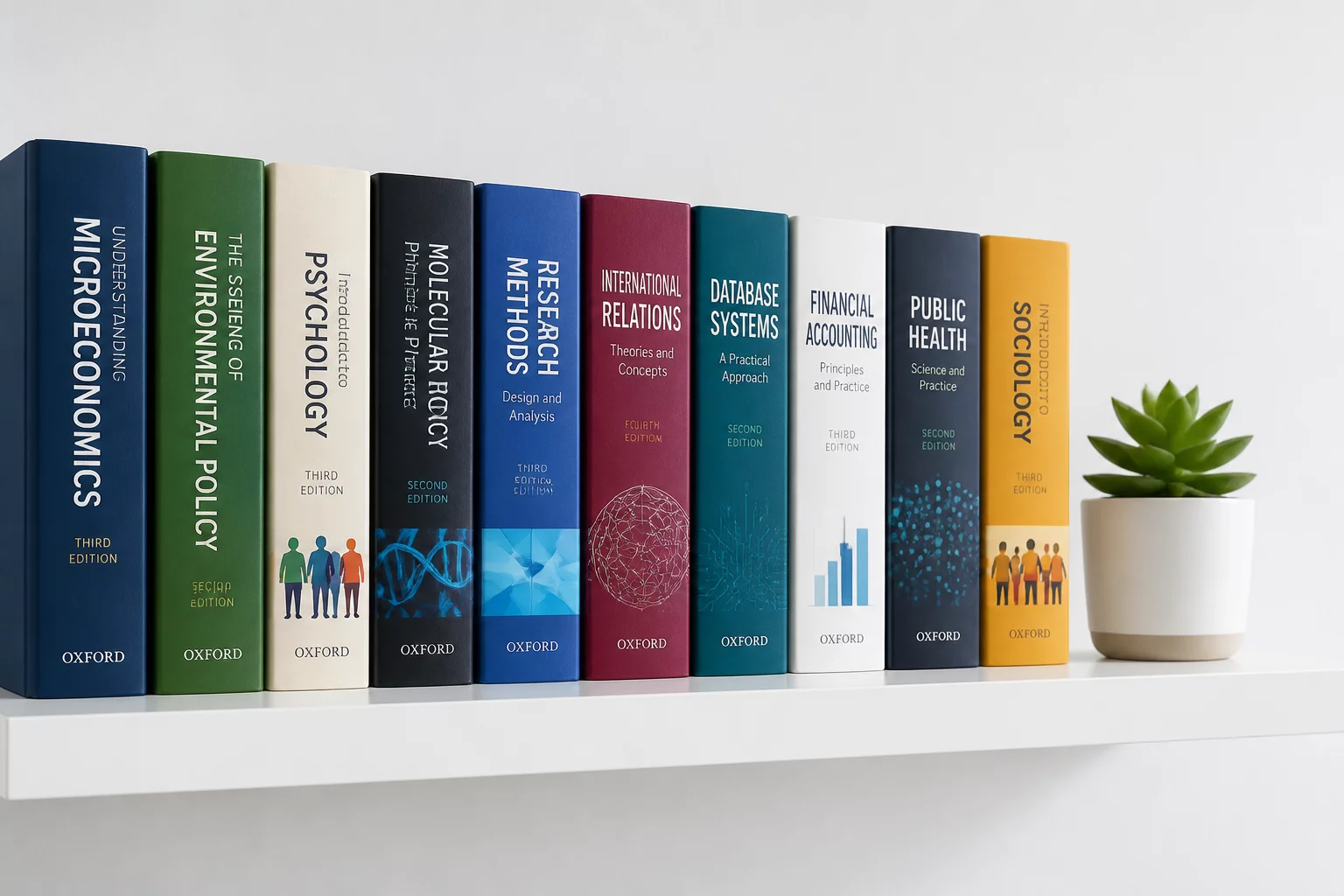
Choice 360 Editors Picks April 2026

Analysis of Choice 360 Editors Picks for April 2026, focusing on editorial selections and research boundaries.

Support Channels & Response Times

Have questions about literature reviews, source context analysis, or study limitations? Reach out to our editorial desk.

Response Commitment

We review all academic inquiries systematically. Standard queries receive a detailed response within 24 to 48 hours.

Verified Editorial Desk

Operating Hours

Our team operates Monday through Friday, from 9:00 AM to 6:00 PM (GMT). Inquiries sent during weekends are processed next Monday.

Current Date: 2026-08-10

Direct Correspondence

WhatsApp: Message Us
Phone: 9073936643
Office:

535 Stevens St C, Medford, OR 97504, US

For formal inquiries, you can also access our Contact page.

Send an Inquiry

Fill out the form below and our editorial team will get back to you promptly.

Address Methodological Vulnerabilities in Literature Reviews

Select a critical research concern below to explore our analytical approach, empirical evidence cases, and systematic evaluation stages.

Methodology Mapping

Contextual Citation Validation

Our framework extracts the precise conditions of the source study, ensuring that cited claims are not stripped of their original parameters or experimental limitations.

Evaluation Stages

STAGE 01

Parameter extraction and boundary isolation.

STAGE 02

Cross-referencing study constraints.

STAGE 03

Generation of the contextual integrity index.

Evidence Case Study NSF Economic Impacts Methodological Overview
Explore Case Analysis
Editorial Journey

Our Editorial Workflow

Discover how we systematically analyze, evaluate, and verify the contextual background of academic references.

Submission and Intake Phase 1: Intake

Submission & Intake

Submit your citation sources, literature reviews, or research queries for deep contextual analysis. We accept manuscripts, citation lists, and source queries from academic institutions and independent researchers looking to verify the structural integrity of their references.

Key Actions In This Step:

  • Source metadata verification
  • Initial scope alignment check
  • Reference mapping preparation
Explore the Context

Latest Literature Reviews

Explore the contextual background, research limitations, and evidential value of recent scholarly works.

Network Law Review Core Reading Suggestions
2026-02-15 Dr. James Alden

Network Law Review Core Reading Suggestions

Analysis of the February 2026 reading suggestions published by Network Law Review.

Network Law Review Contextual Analysis
2026-02-22 Sarah Jenkins

Network Law Review Contextual Analysis

Contextual breakdown of the Network Law Review February 2026 materials.

NSF Economic Impacts Literature Review
2026-03-10 Michael Chen

NSF Economic Impacts Literature Review

Review of the NSF Economic Impacts Literature Review released in March 2026.

NSF Economic Impacts Methodological Overview
2026-03-18 Dr. Emily Ross

NSF Economic Impacts Methodological Overview

Methodological overview of the NSF March 2026 publication.